
การเปลี่ยนแปลงสภาพภูมิอากาศ

เป้าหมายที่ 13

เป้าหมายที่ 17
เป้าหมาย



ผลการดำเนินงาน

ดำเนินโครงการติดตั้งโซลาร์เซลล์

ได้รับการรับรองฉลากคาร์บอนฟุตพริ้นท์

ลดการปล่อยก๊าซเรือนกระจก

ลดการปล่อยก๊าซเรือนกระจก



ความมุ่งมั่น ความท้าทาย และโอกาส
ปัจจุบันทุกประเทศทั่วโลกกำลังเผชิญกับสถานการณ์และ ผลกระทบจากปัญหาก๊าซเรือนกระจกและการเปลี่ยนแปลงสภาพ ภูมิอากาศ และต่างให้ความสนใจกับการหาแนวทางเพื่อรับมือสถานการณ์ดังกล่าวมากขึ้น อีกส่วนหนึ่งคือผลจากการประชุมรัฐภาคีกรอบอนุสัญญาสหประชาชาติว่าด้วยการเปลี่ยนแปลงสภาพภูมิอากาศ (UNFCCC COP) ครั้งที่ 30 ณ เมืองเบเลง (Belém) ประเทศบราซิล ที่เน้นย้ำถึงการเปลี่ยนผ่านพลังงาน การลดการปล่อยก๊าซเรือนกระจก การยกระดับเป้าหมายการกักเก็บอุณหภูมิโลกไม่ให้เกิน 1.5 องศาเซลเซียส ภายในปี 2643 ตามข้อตกลงปารีส (Paris Agreement) อย่างเคร่งครัด รวมถึงความจำเป็นในการเร่งรัดการปรับตัวและสร้างภูมิคุ้มกันต่อสภาพภูมิอากาศ เช่นเดียวกับประเทศไทยมีการตั้งเป้าหมายการปล่อยก๊าซเรือนกระจกสุทธิเป็นศูนย์ (Net Zero) ในปี 2050 อย่างเป็นทางการในที่ประชุม COP30 ณ วันที่ 19 พฤศจิกายน 2025 พร้อมทั้ง ตั้งเป้าหมายลดการปล่อยก๊าซเรือนกระจก 47% ในปี 2035
ด้วยเหตุนี้ เพื่อร่วมเป็นส่วนหนึ่งในการควบคุมอุณหภูมิเฉลี่ยของโลกและสอดรับกับเป้าหมายการ ลดก๊าซเรือนกระจกของประเทศและระดับโลก บริษัทฯ มุ่งมั่นที่จะหาแนวทางในการลดการปล่อยก๊าซเรือนกระจกจากการดำเนินการของบริษัทฯ ตลอดห่วงโซ่อุปทานอย่างยั่งยืน จึงริเริ่มนำการกำหนดเป้าหมายการลดก๊าซเรือนกระจกบนพื้นฐานทางวิทยาศาสตร์ ตามแนวทางสากลของ Science Based Targets initiative (SBTi) มาใช้ เพื่อกำหนดแนวทางและเป้าหมายมุ่งสู่การปล่อยก๊าซเรือนกระจกสุทธิเป็นศูนย์ในลำดับถัดไป และยังคงพัฒนาความคิดริเริ่มใหม่ ๆ และค้นหาทางเลือกเพิ่มเติมที่ช่วยลดการปล่อยก๊าซเรือนกระจก
แนวทางการจัดการและแนวปฏิบัติ
บริษัทฯ ดำเนินงานอย่างมุ่งมั่นในเรื่องการลดการปล่อยก๊าซเรือนกระจกที่เกิดขึ้นจากการดำเนินงานภายในองค์กรและตลอดห่วงโซ่อุปทาน โดยบริษัทฯ ได้ดำเนินการรวบรวมจัดทำบัญชีการปล่อยก๊าซเรือนกระจกภายในองค์กร (Carbon Footprint for Organization : CFO) และคำนวณปริมาณการปล่อยก๊าซเรือนกระจกขององค์กร ตามแนวทางการรายงานและคำนวณปริมาณก๊าซเรือนกระจก ของ Greenhouse Gas Protocol และองค์การบริหารจัดการก๊าซเรือนกระจก (องค์การมหาชน) และดำเนินการให้ความเชื่อมั่นความถูกต้องของข้อมูล (Assurance) โดยบุคคลที่สาม (Third Party) ที่มีความน่าเชื่อถือและยอมรับในมาตรฐานระดับสากล เพื่อให้เกิดความถูกต้อง ความน่าเชื่อถือ และความโปร่งใสของข้อมูล
อีกทั้งบูรณาการแนวคิดเศรษฐกิจหมุนเวียน (Circular Economy) และการจัดการก๊าซเรือนกระจกตามหลักวิทยาศาสตร์ (Science-Based Targets: SBTi) เข้าเป็นส่วนหนึ่งของกลยุทธ์ธุรกิจตลอดห่วงโซ่คุณค่า เพื่อจัดการปัญหาสภาพภูมิอากาศ, มีเป้าหมายลดการปล่อยก๊าซเรือนกระจก และร่วมสนับสนุนเป้าหมายการพัฒนาที่ยั่งยืน (SDGs) โดยเฉพาะ SDG 12 และ SDG 13 ผ่านการบริหารจัดการเชิงรุกที่สอดคล้องกับมาตรฐานสากลต่างๆ แสดงถึงจุดยืนที่ชัดเจนของบริษัทในการสนับสนุนนโยบายสาธารณะหรือกฎหมายของภาครัฐที่เกี่ยวกับการลดโลกร้อน ที่จะมุ่งลดผลกระทบเชิงลบต่อสิ่งแวดล้อมให้เหลือน้อยที่สุด พร้อมสร้างผลลัพธ์เชิงบวกเพื่อการเติบโตอย่างยั่งยืนในระยะยาว
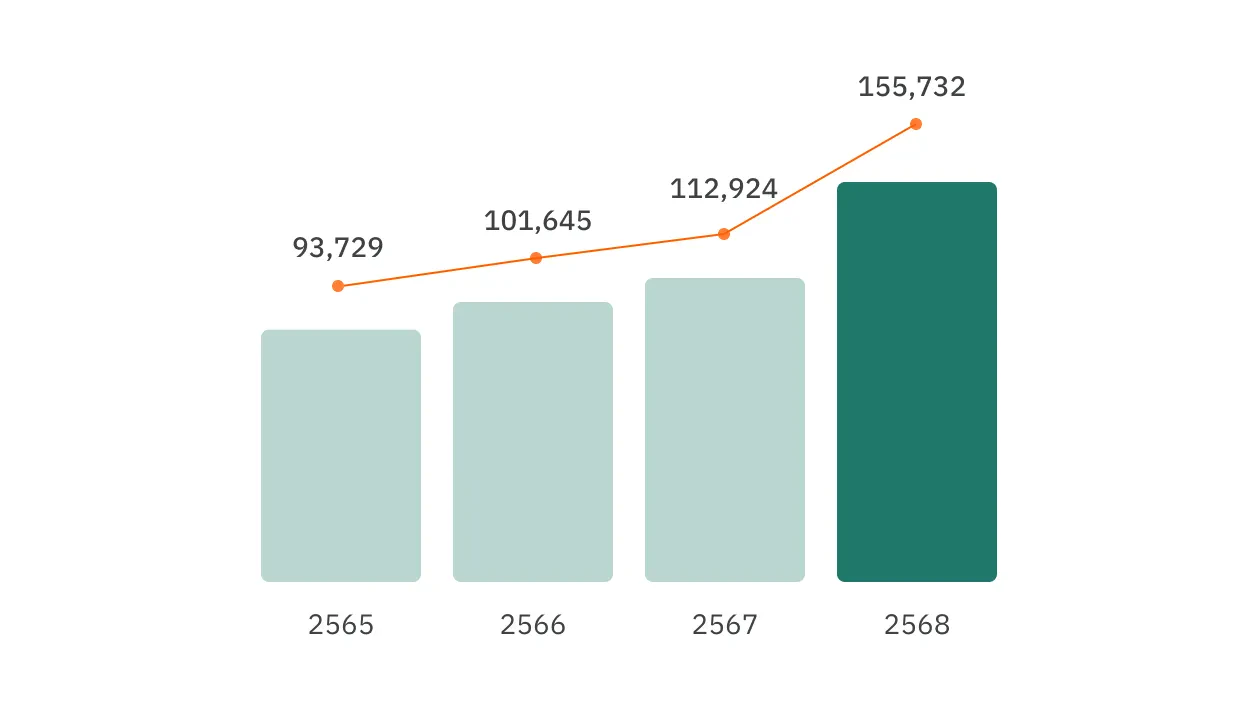
ปริมาณการปล่อยก๊าซเรือนกระจกรวม (ตันคาร์บอนไดออกไซด์เทียบเท่า)
| ข้อมูลการดำเนินงาน | 2565 | 2566 | 2567 | 2568 |
|---|---|---|---|---|
| Scope 1 | 669 | 755 | 1,804 | 1,843 |
| Scope 2 | 14,055 | 12,698 | 17,258 | 17,099 |
| Scope 3 | 79,005 | 88,192 | 93,862 | 136,790 |
ผลจากการดำเนินงานเพื่อการลดปัญหาก๊าซเรือนกระจกและการเปลี่ยนแปลงสภาพภูมิอากาศในปี 2568 พบว่า บริษัทฯ สามารถลดการปล่อยก๊าซเรือนกระจก ในขอบเขตที่ 2 อย่างมีนัยสำคัญ ผ่านการติดตั้งระบบผลิตไฟฟ้าพลังงานแสงอาทิตย์ (Solar Rooftop) เฟสที่ 2 และ 3 ควบคู่กับการจัดซื้อใบรับรองพลังงานหมุนเวียน (REC) ส่งผลให้สามารถเพิ่มสัดส่วนการใช้พลังงานหมุนเวียนได้สูงถึงร้อยละ 82 ของปริมาณการใช้ไฟฟ้าทั้งหมด แสดงถึงการสนับสนุนโครงสร้างพื้นฐานพลังงานหมุนเวียนของประเทศ ตอกย้ำเจตนารมณ์ในการขับเคลื่อนธุรกิจสู่สังคมคาร์บอนต่ำอย่างยั่งยืน


ผู้มีส่วนได้เสียที่เกี่ยวข้อง

พนักงาน

ลูกค้า

ชุมชน